


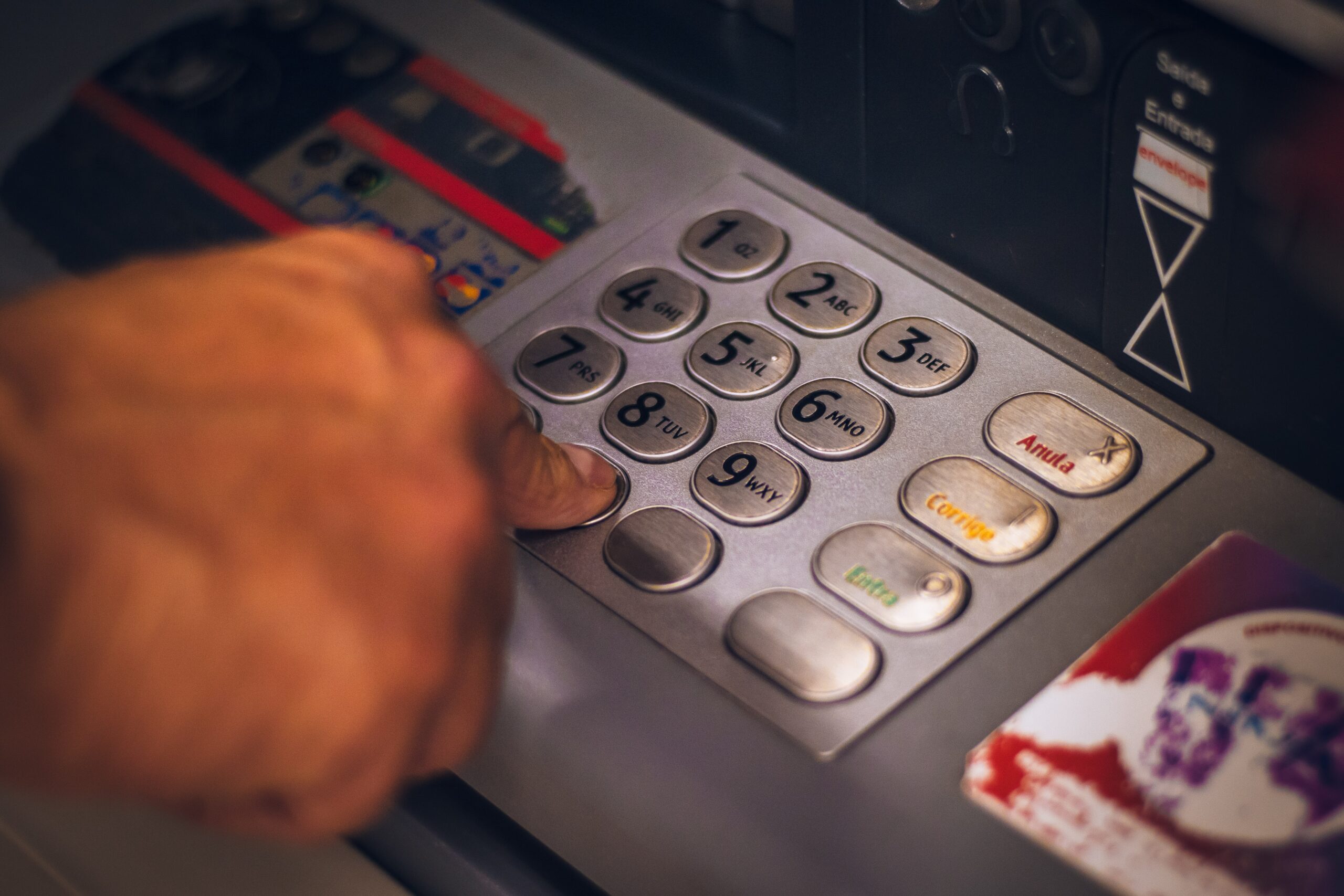
If you are a Director of a Limited Company, this means you as a person are treated as a separate entity to your Company. Therefore, you cannot transact on behalf of your Limited Company using your personal bank account and would require a separate bank account for the business, which is known as a business bank account.
People who don’t own a Limited Company, such as sole traders, partnerships and freelancers, are not required by law to open a business bank account, yet I would highly recommend them to do so, and this blog has been written for them.
In essence, a business bank account works in the same way as a personal / current account but comes with some very clear benefits. I’ll explain just two of these that I feel are the most important and relatable to any freelancer and small business owner.
Reason one: It is easier to track your business transactions
The most obvious outcome from having a business bank account is that all transactions related to your business will be recorded separately to your personal transactions. This makes it easy to track your income and expenditure and get a clear view on the Company’s financial health. If business and personal money is mixed within one account, it’s difficult to tell what money is being used where.
For example, if you have a full time PAYE job elsewhere but also run your own business (which is common for freelancers and sole traders), your PAYE salary and business income becomes merged into your personal account. As a result, you may end up using personal money for business and vice versa. If your business is really small / a start-up or if you treat your business more as a hobby that gives you a bit of pocket money rather than seeing it as an actual business then you probably don’t need to open a business account. However, if you plan to grow the business, it’s best to set the foundations now by separating business and personal transactions.
Regardless of how small or large your business is, and whether you intend to grow it or not, another clear advantage of separating business transactions is that it makes it easier for you to make financial documents such as cash flow projections and budgets, and it’s less of a headache to prepare for your self-assessment tax returns because you won’t have to sift through your bank statements trying to identify which transactions were personal and business.
Reason two: You can perform credit checks
This is really useful for businesses who are lending money or credit to other businesses or people.
A credit check is when you access someone’s credit file to assess their likelihood of paying you back for whatever it is you are supplying them, whether that be money, an asset on hire purchase or stocks and supplies on credit. Read more about credit files here.
Instead of going in blind and trusting someone on their word, their credit file will allow you see how well (or not well) they have been at repaying back debts in their past. You will have access to information such as:
- How much they have borrowed in the past
- If they are already borrowing elsewhere in the present
- How much total debt they have and how much of that has been paid back
- Details of any time they have missed a payment or delayed it
- Defaults on any of your financial commitments – where payments have been delayed or missed
After knowing this information, you’ll be in a much better position to decide:
- Whether to lend to them or not
- How much to lend
- How long to make the repayment period
- How much to take at each instalment
- Whether they need to pay a lump sum deposit at the beginning or end of their repayment period (known as a Balloon Payment)
- How much interest to charge
- Penalties for missed payment
Furthermore, a credit file gives you access to their name and address, allowing you to verify that they are who they say they are. You wouldn’t hire someone without reading their CV and doing a background check so why should you before lending?
In my opinion, the two benefits derived from business accounts mentioned above make it an obvious choice to pursue that will help you in managing your business operations and it is best practice for you as a small and/or new business owner to start getting into these good habits.
How do I open a business account?
It’s very easy to open a business account. Most people might even prefer to open the account with the same bank that they use personally. You can visit the branch or get started online.
There is no single business account that is the best. Banks and building societies offer different types of business accounts that all come with their strengths and the best one for you is largely dependent on your requirements.
For example, some accounts specialise in foreign currency, for business who often transact abroad. Other accounts offer additional business admin features such as instant invoicing, scheduling payments and the ability to label your transactions as income or expenditure.
Next steps
If you want to learn more about this topic, please call me on on 0330 236 9930, 0330 236 9938 or 07961 116321. The first conversation is free of charge and all conversations are in strict confidence. You can also email me on vee@navigatebr.com.